Marrakech
The Red City — gateway to the Sahara, the Atlas and the coast. Where Morocco begins for most travellers, guided by people who call it home.
The Red City – Marrakech
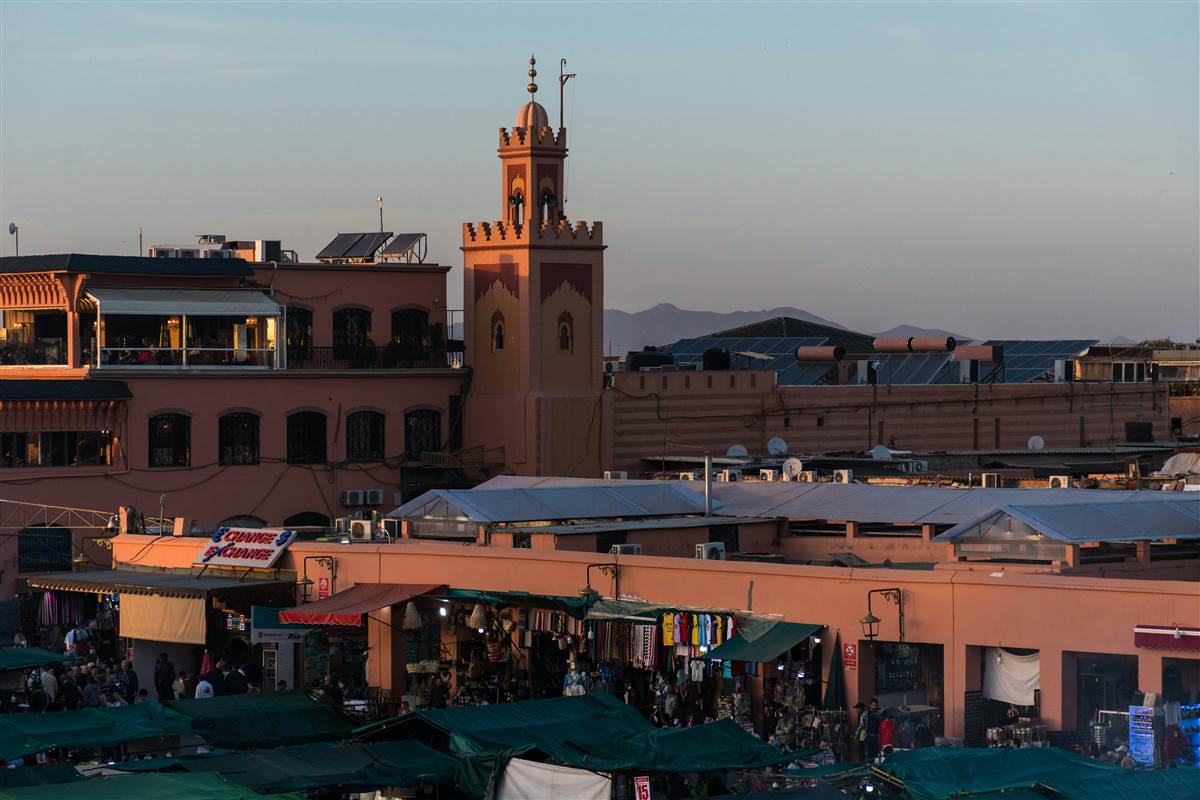
Palace courtyards, maze-like souks, rooftop views over Jemaa el-Fnaa and easy access to the High Atlas. Marrakech is where most Morocco journeys begin.
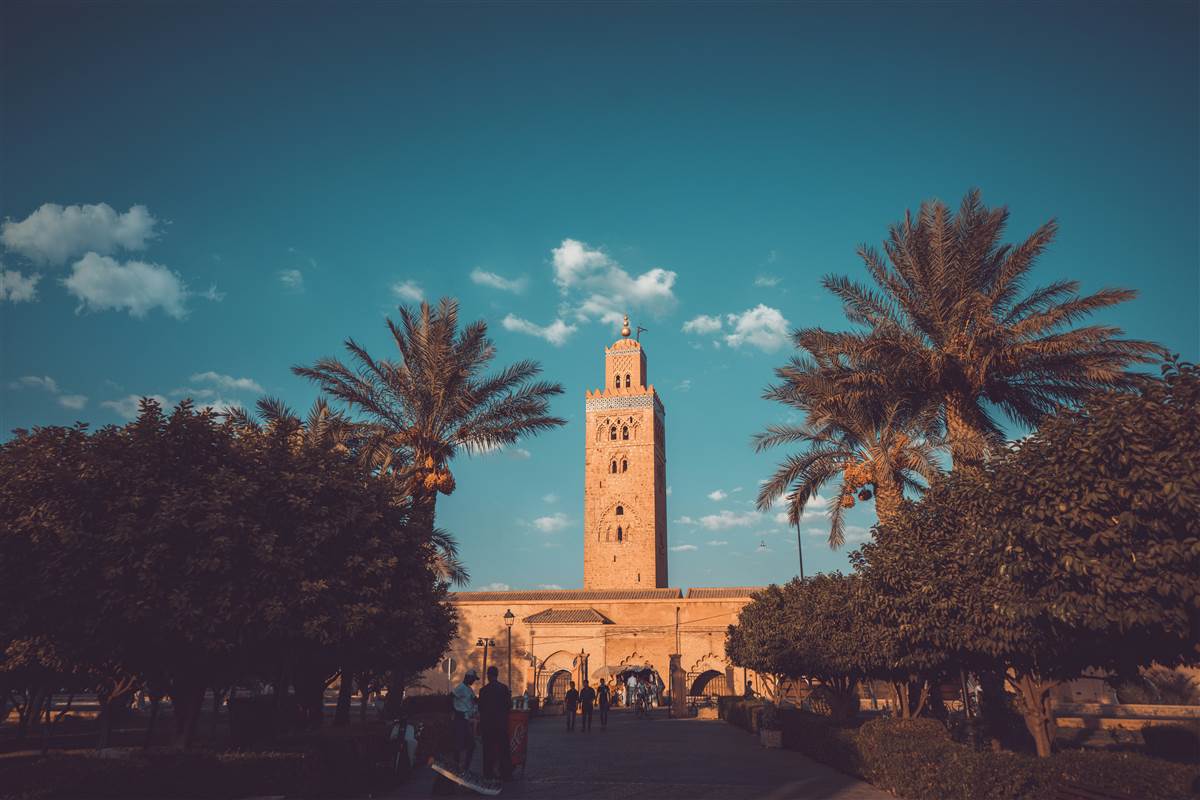
Marrakech is the gateway to southern Morocco. Around the UNESCO-listed medina you will find the 12th-century Koutoubia Mosque, the ornate Bahia Palace, the serene Majorelle Garden and the ever-moving theatre of Jemaa el-Fnaa — storytellers, musicians, food stalls and snake charmers at dusk.
Beyond the walls, the same city is the launch point for the classic routes we run: desert experiences towards Merzouga, mountain days in the Ourika Valley, hot air balloon flights at sunrise, and a day at the Atlantic in Essaouira.
“Marrakech rewards slow mornings: mint tea on a rooftop, the call to prayer drifting over the medina, then a long lunch with a view.” — Abdellah, founder & Amazigh guide
Who is Marrakech for?
Marrakech suits first-time visitors who want one base with easy access to radically different experiences — a morning in a 12th-century medina, an afternoon in a mountain village, a sunset over the Sahara. It also works for repeat travelers who use it as a launch point for deeper routes into the Anti-Atlas or the desert.
How long to stay in Marrakech?
2–3 days covers the medina, palaces and gardens at a relaxed pace. 4–5 days if you want day trips to the Atlas, Essaouira or the Agafay Desert without rushing. Many travelers use Marrakech as their first and last stop on a longer Morocco itinerary.
How to get to Marrakech
By air: Marrakech Menara Airport (RAK) receives direct flights from most European hubs — typically 3–4 hours from London, Paris or Madrid. By train: ONCF connects Marrakech to Casablanca (2.5 hours) and Tangier (8+ hours). By road: CTM and Supratours buses run from most major cities; private transfer with Abrid is the most comfortable option for groups.
What to see in Marrakech
The Koutoubia Mosque (12th century, visible from most rooftops), Bahia Palace (19th-century vizier's residence with painted ceilings), El Badi Palace (ruined but vast — climb the ramparts for views), Majorelle Garden (Yves Saint Laurent's cobalt-blue botanical garden), and the Saadian Tombs (sealed for centuries, rediscovered in 1917).
What to do in Marrakech
Get lost in the souks (start at Semmarine, work toward the dyers' quarter), take a rooftop mint tea above Jemaa el-Fnaa at sunset, visit a hammam, book a hot air balloon at dawn, or use the city as a base for day trips to the Ourika Valley, Ouzoud Waterfalls or the Agafay Desert.
Typical Marrakech itinerary
Day 1: Arrive, settle in, evening at Jemaa el-Fnaa. Day 2: Medina — Koutoubia, Bahia Palace, souks, rooftop dinner. Day 3: Majorelle Garden in the morning, hammam in the afternoon, optional day trip to Atlas or Essaouira. Day 4+: Desert excursion to Merzouga (3 days) or loop through Aït Benhaddou and Dades Valley.
Local advice from Abrid
The souks are best visited in the morning when it's cooler and vendors are less aggressive. Always agree a price before entering a taxi — or use the Abrid local network to arrange transport in advance. Carry small dirhams for tips and small purchases. The medina is a maze — download an offline map or let a guide handle the first day. Most riads are inside the medina walls, so expect to walk the last 5–10 minutes with your luggage.
Highlights
Jemaa el-Fnaa
The famous square — try it at sunset for food stalls, storytellers and music.
The Souks
Endless lanes of leather, spices, carpets and lamps — go early and bargain kindly.
Palaces & Gardens
Bahia Palace, El Badi and the Majorelle Garden for calm and colour.
Rooftop Culture
Atlas views, mint tea and slow afternoons above the medina rooftops.
Best areas to visit in Marrakech
Three worlds in one city — old medina, new town and palm belt.
Jemaa el-Fna & souks
Square, palaces and craft lanes of the old city.
Guéliz
Galleries, cafés and Majorelle Garden streets.
Palmeraie
Palm estates, pools and sunset camel rides.
Marrakech in Pictures


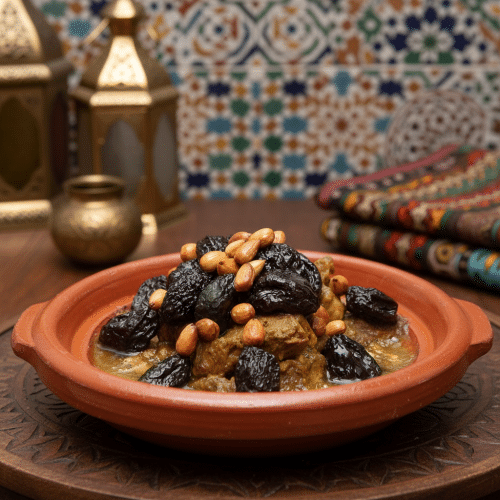
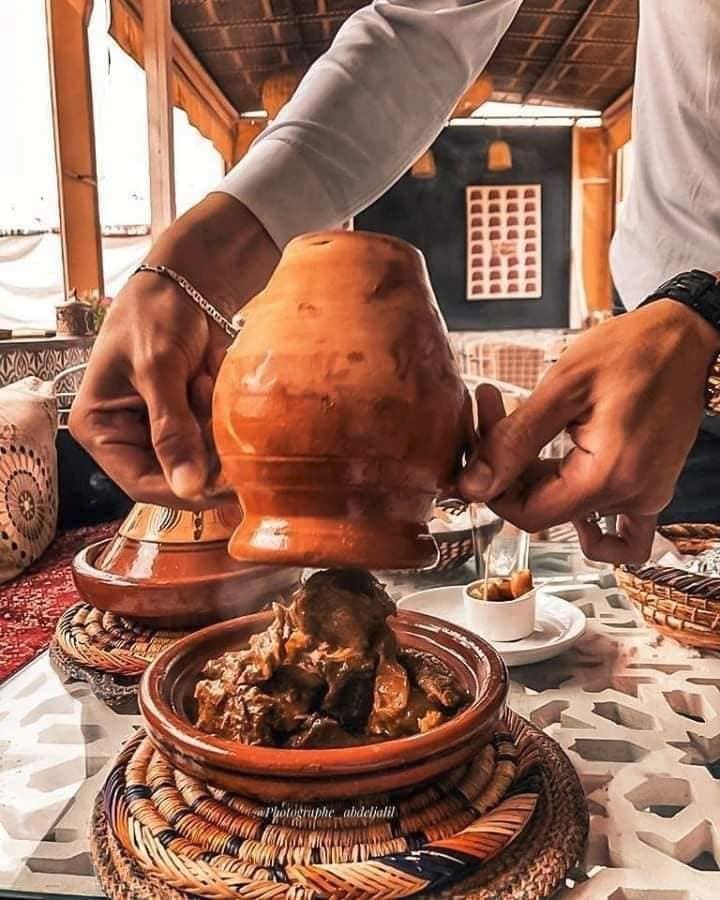
Taste of Marrakech
Trips from Marrakech
Frequently asked questions
How many days do you need in Marrakech?
Two full days lets you cover the medina at a relaxed pace and still keep time for a rooftop meal or a day trip into the Atlas. Three to four days gives you room for the city plus excursions like Essaouira or the Ourika Valley.
Is Marrakech safe for visitors?
Yes. Usual city awareness applies — agree taxi fares before setting off, keep valuables secure, and ignore persistent street touts. The medina is busy but generally safe, including in the evenings around Jemaa el-Fnaa.
What should I wear in Marrakech?
Light, breathable clothing that covers shoulders and knees is respectful and practical. Comfortable walking shoes for the medina's uneven streets. A layer for cooler evenings, especially in winter.
Can you drink the tap water in Marrakech?
Bottled water is widely available and recommended for visitors. Most riads and hotels provide complimentary bottled water. Avoid ice from street stalls unless you are confident of the source.
How do you get from Marrakech to the Sahara?
The most common route is the 3-day Merzouga desert trip via Aït Benhaddou, Dades Valley and Todra Gorge. Driving takes approximately 9–10 hours each way, which is why most travelers stay overnight en route. View Sahara trips
Which trips start from Marrakech?
Most Abrid routes do — Sahara desert tours, Atlas day trips, Essaouira, Ouzoud waterfalls and all multi-day circuits. Plan your trip
Related destinations
Last updated: September 2026 · Written by the Abrid Morocco team